Faith and Works
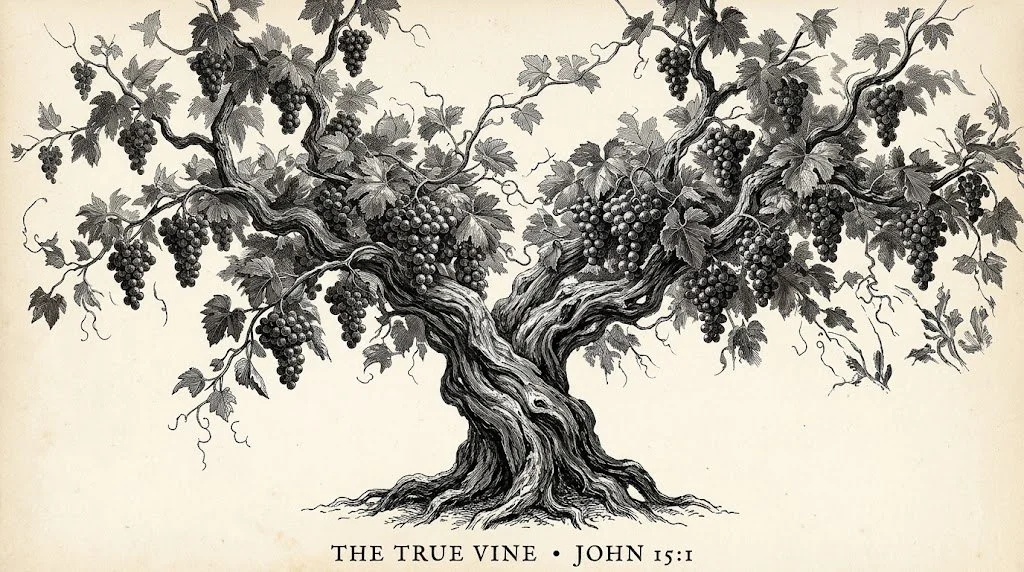
"I am the true vine, and my Father is the vinedresser" (John 15:1). Jesus is the vine, and we are branches that come off the one true vine. I always remind people that there is no salvation if Christ is merely in the top ten or top three branches of our lives. Salvation comes only when we surrender to him fully and realize that we are the branches. This is a call beyond lukewarm discipleship or cultural Christianity. Cut off from Christ the vine, the branch withers and dies, because it is deprived of the vine's life-giving power.
The Church: A City Set on a Hill
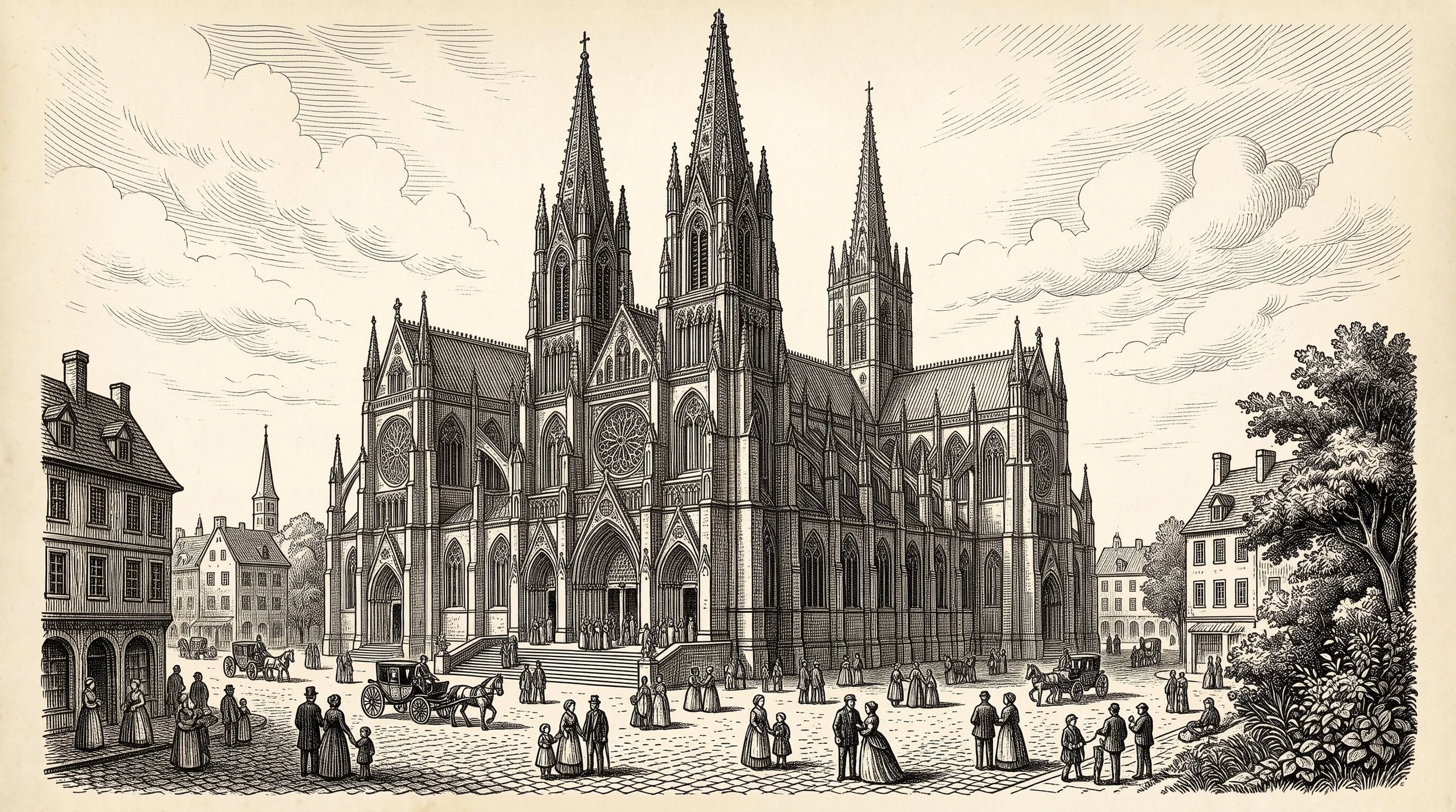
When we think of "church," a thousand images may pass through our minds: a humble country chapel, a splendid cathedral, the congregation, families at a wedding, the hierarchy, prayer, the Body of Christ, an institution, a movement, something visible, something invisible, sacraments, worship, service, preaching, teaching, discipleship, and on and on.
These images shape our understanding of the Church…
What Is a Catholic?
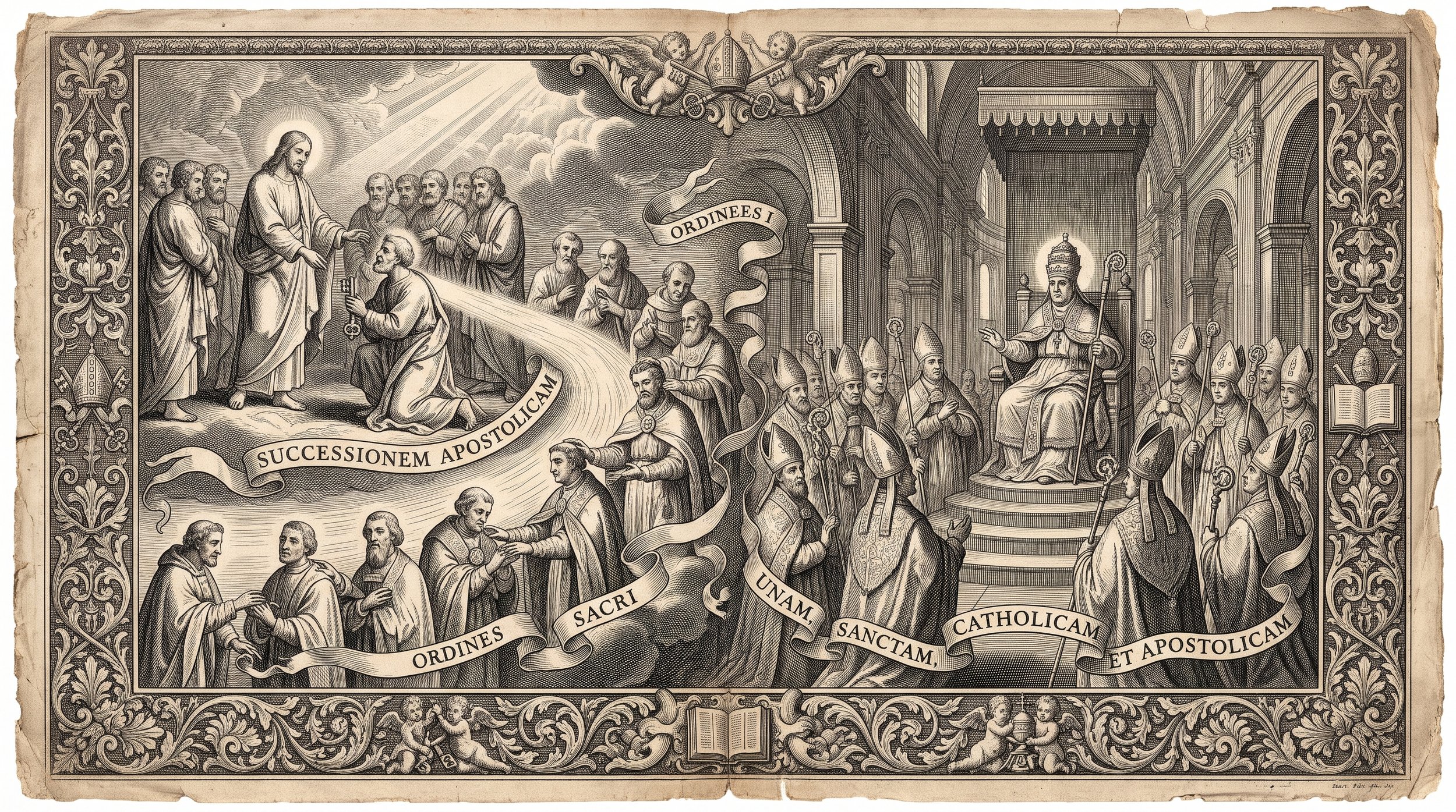
A Catholic is a baptized member of the one, holy, catholic, and apostolic Church that Jesus Christ founded on the Twelve Apostles and entrusted to the pastoral care of St. Peter and the Apostles' successors, the bishops. A Catholic is united to his local bishop, and that bishop is united to the college of bishops, which is headed by the Bishop of Rome, also called the Pope, the Holy Father, or the Roman Pontiff. Every Catholic bishop can trace his ordination back to the Apostles. The college of bishops is the Magisterium, the official teaching authority of the Catholic Church.
What Is a Protestant?
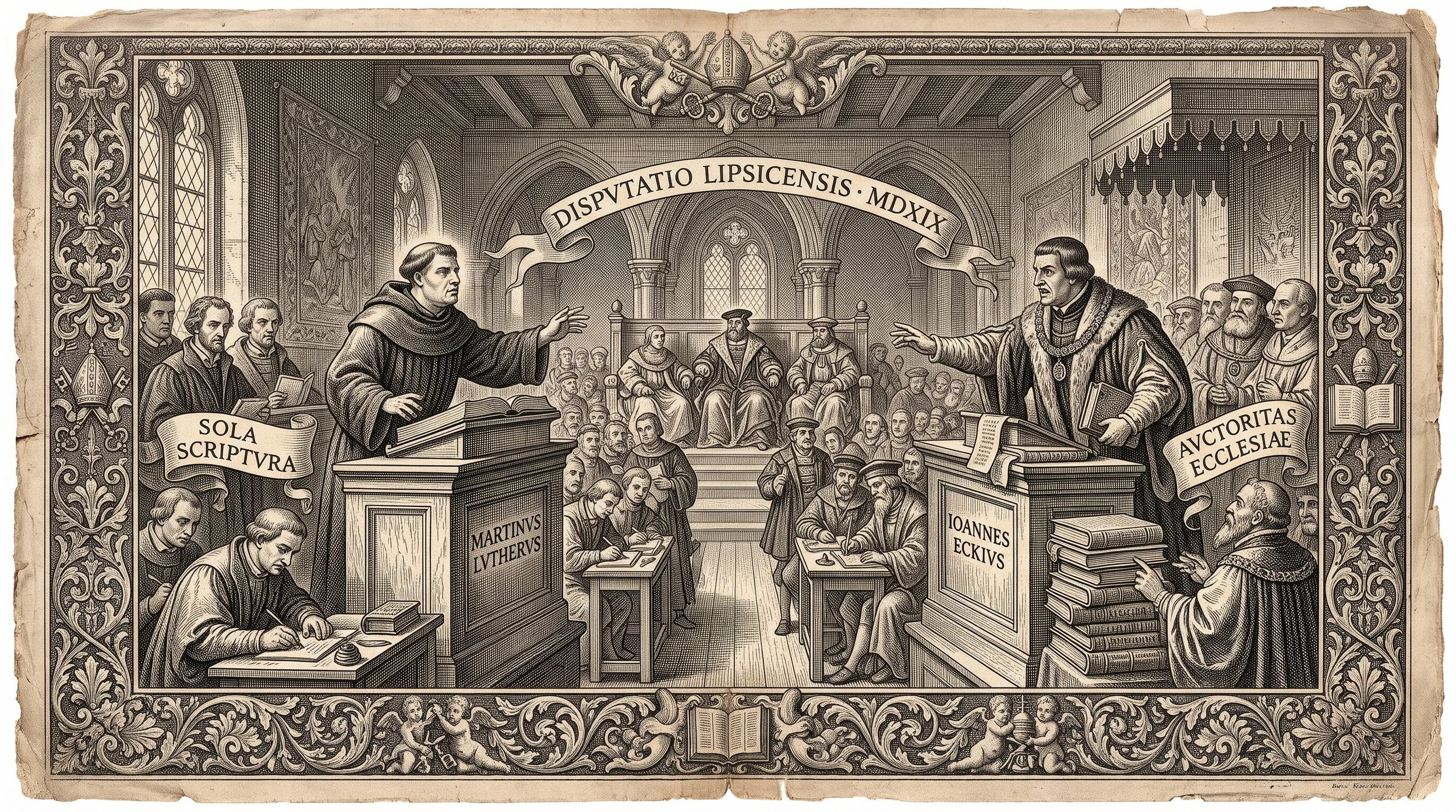
Any conversation between Catholics and Protestants has to begin with a serious and complicated question: What is a Protestant?
There are thousands of distinct Protestant denominations and church groupings, and they are hard to define and harder still to summarize.
Mary and the Gospel of Jesus Christ
Far from the myths of Greece, Rome, Egypt, or Babylon, Mary was invited by the angel into God's plan. It was a proposal, not an imposition. There was no carnality, no bodily lust, and no overriding irrationality of erotic desire. It was a dialogue between Mary and God through the angel Gabriel. Mary stands at the transition point between the Old and the New. The angel mediates God's message, as in the old covenant, but upon her acceptance the Spirit of the Lord overshadows her and the Word becomes flesh.
Mary was responding in faith, not in myth, and she knew at the Annunciation that she stood in a privileged position before God. Her dialogue with the angel reveals the rational and ordered love of God, who never loves at the expense of truth, goodness, and beauty.